
How to Spot Foundation Cracks Before They Become a Problem
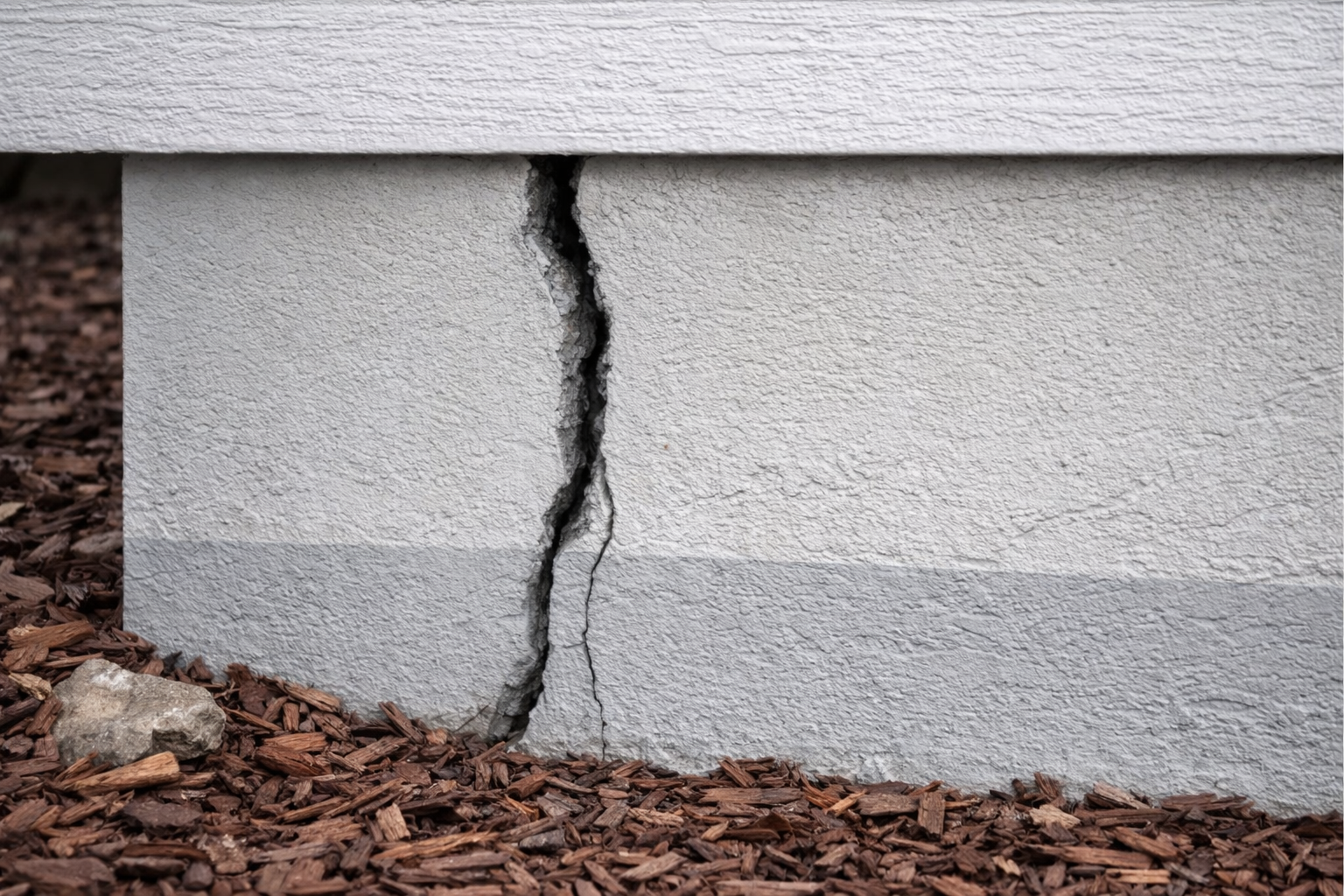
Basement cracks are one of the earliest warning signs that something may be happening beneath your home. While not every crack indicates a structural problem, ignoring them can allow minor issues to turn into expensive repairs.
The good news is that many warning signs appear long before a serious foundation failure occurs. Knowing what to look for can help homeowners protect their property and address issues early—often before major damage develops.
Why Basement Cracks Happen
Foundations naturally shift over time. Soil expands and contracts with moisture changes, temperatures fluctuate, and homes settle as they age. These forces place pressure on foundation walls, which can eventually lead to cracking.
Common causes include:
Soil expansion and contraction from moisture changes
Poor drainage around the home
Natural settling of the structure
Hydrostatic pressure from groundwater
Freeze-thaw cycles during colder months
Most homes will develop small cracks over time. The key is recognizing which ones may signal a larger issue.
Types of Basement Cracks to Watch For
Understanding the shape and direction of a crack can reveal a lot about what may be happening.
Vertical Cracks
Vertical cracks are the most common and are often caused by normal settling. Many are harmless, but they should still be monitored.
Signs to watch for:
Cracks wider than 1/8 inch
Cracks that grow over time
Water seepage after rain
Horizontal Cracks
Horizontal cracks can indicate pressure from soil pushing against the foundation wall. These cracks deserve immediate attention because they may signal structural stress.
Diagonal or Stair-Step Cracks
Cracks that follow mortar joints in a stair-step pattern often appear in block foundations. They may indicate uneven settling or shifting soil.
Floor Cracks
Cracks in basement floors are often caused by shrinkage during curing or minor settlement. However, widening cracks or those accompanied by uneven flooring should be evaluated.
How to Inspect Your Basement
A quick inspection a few times per year can help you catch small issues early.
Walk through your basement and look for:
Cracks along foundation walls
Cracks near windows or door frames
Water stains or damp areas
Bulging or bowing walls
Gaps between walls and floors
Efflorescence (white mineral deposits)
Use a flashlight to examine corners and areas behind stored items where cracks often begin.
When a Crack Becomes a Problem
Certain warning signs suggest the issue may be progressing:
Cracks widening over time
Water entering the basement
Multiple cracks forming in the same wall
Doors or windows sticking in nearby rooms
Walls beginning to bow inward
If you notice any of these signs, it is wise to have a professional take a closer look.
The Value of a Professional Foundation Inspection
A professional inspection can determine whether a crack is cosmetic or structural. Foundation specialists can measure crack movement, identify pressure sources, and recommend solutions before the damage spreads.
Early detection often means:
Smaller repairs
Lower costs
Less disruption to your home
Protection of your property value
For homeowners, the goal is not just fixing cracks—it is preventing larger structural problems.
Protecting Your Home’s Foundation
Simple maintenance steps can reduce the risk of foundation stress:
Keep gutters clean and downspouts directed away from the house
Maintain consistent soil moisture around the foundation
Ensure proper grading so water flows away from the home
Address drainage issues promptly
Regular inspections, both by homeowners and professionals, can make a significant difference.
Don’t Wait Until Cracks Get Worse
Foundation problems rarely improve on their own. The earlier an issue is identified, the easier and more affordable it typically is to address.
If you’ve noticed cracks in your basement—or if it’s been several years since your last inspection—scheduling a professional foundation evaluation can provide clarity and peace of mind.
Protecting your foundation protects your entire home.