
Top 5 Things to Look for When Buying a Home
Buying a home is one of the largest financial decisions most people will make. While kitchens, flooring, and paint colors often grab attention first, the most important features of a home are the ones you can’t easily change—especially its structure.
Before finalizing a purchase, it’s important to look beyond cosmetic details and evaluate the overall condition of the property. Here are five critical things every homebuyer should pay attention to.
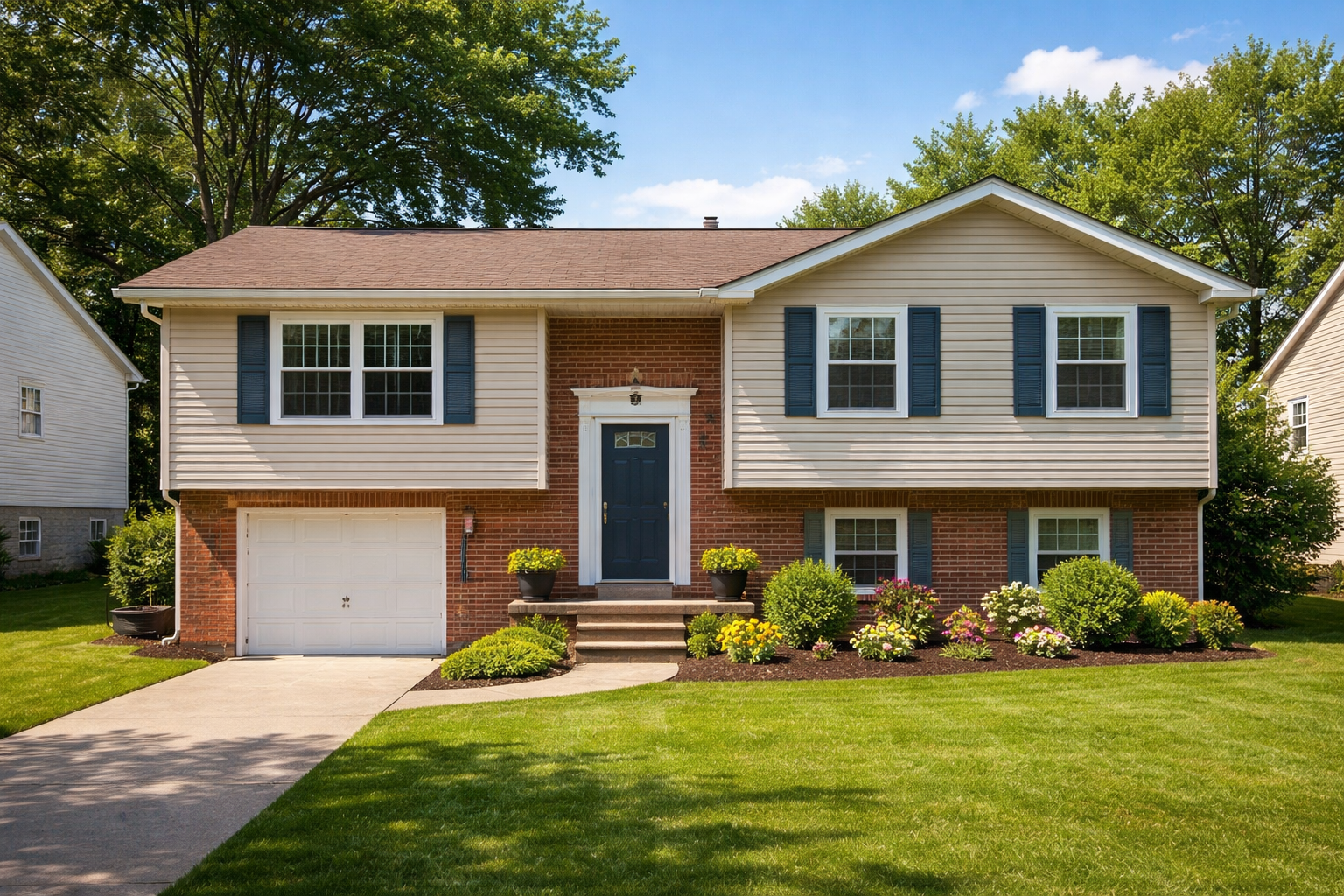
1. Foundation Cracks and Structural Movement
The foundation is what supports the entire home. If there are problems here, they can affect everything above it.
When touring a home, look for:
Horizontal cracks in foundation walls
Stair-step cracks in brick or block foundations
Large vertical cracks
Bowing or leaning basement walls
Gaps between walls and floors
Small cracks can be normal, but larger or expanding cracks may signal structural movement. A professional foundation inspection can determine whether cracks are cosmetic or structural.
2. Water Drainage Around the Home
Water is one of the biggest threats to a home’s foundation.
Poor drainage can cause soil expansion, hydrostatic pressure, and eventual foundation damage. Check the exterior grading to ensure water flows away from the house.
Things to watch for include:
Standing water near the foundation
Downspouts that empty directly next to the home
Soil sloping toward the house instead of away from it
Damp or musty basement smells
Proper drainage helps prevent foundation cracks, basement leaks, and long-term structural problems.
3. Signs of Settlement Inside the Home
Foundation movement often shows up inside the house first.
During a walkthrough, pay attention to:
Doors or windows that stick or won’t close properly
Cracks above door frames
Uneven or sloping floors
Large cracks in drywall
While some settling is normal, widespread signs can indicate deeper structural issues that should be evaluated by a professional.
4. Basement or Crawlspace Condition
The basement or crawlspace can reveal many hidden issues in a home.
Look for:
Moisture or water intrusion
Mold or mildew smells
Cracked support beams or posts
Sagging floor joists
Insulation damage
These spaces provide a direct view of the structural components of the home and often show early warning signs of larger problems.
5. Age and Condition of Structural Materials
The age and condition of the home’s structural components can impact long-term maintenance costs.
Pay attention to:
Condition of framing and support beams
Signs of wood rot or termite damage
Rusted steel supports or anchors
Previous structural repairs
Understanding the structural health of the home helps buyers anticipate potential repairs and negotiate accordingly.
Why a Structural Inspection Matters
A general home inspection is helpful, but it may not always identify deeper structural concerns. A foundation and framing inspection provides a closer evaluation of the home’s most critical systems.
An experienced structural inspector can identify warning signs that might otherwise go unnoticed and provide guidance on whether repairs are needed.
For buyers, this knowledge provides confidence that the home they’re investing in is safe, stable, and built to last.